Property
Is Renting Actually Cheaper Than Buying Right Now in Riyadh?
Despite surging rental demand and rising home prices, new figures show the answer depends heavily on location and personal finances.
3 min read
Property
Despite surging rental demand and rising home prices, new figures show the answer depends heavily on location and personal finances.
3 min read
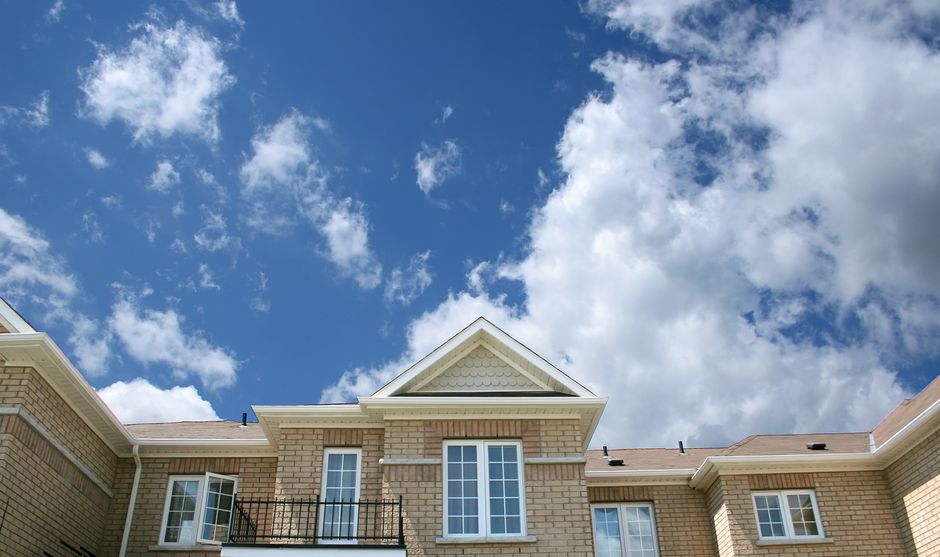
Monthly rent in central Riyadh is currently lower than the cost of buying for most would-be homeowners, according to a new analysis by The Daily Riyadh. A two-bedroom apartment in Olaya or Al Malaz now rents for an average of SAR 45,000 per year, while entry-level mortgage repayments for similar units typically run north of SAR 5,000 per month once down payments, insurance and maintenance are included.
The question of whether it pays to rent or buy in Riyadh has sharpened in 2026, as property prices keep climbing despite tighter budgets for many households. Saudi Arabia’s government remains committed to its Vision 2030 target of raising home ownership rates to 70%, but with home prices in places like Hittin and Al Yasmin up by more than 10% in the last year according to Knight Frank MENA, the entry barrier is becoming more formidable for first-time buyers.
For everyday residents, the impact is clear along arteries like King Fahd Road, where dozens of new developments have brought supply but not necessarily relief on prices. The Riyadh Housing Expo at Riyadh Front last month saw thousands of young professionals eyeing projects from familiar names like Dar Al Arkan and Sumou Holding — yet many left with questions about whether they could afford today’s sticker prices without sacrificing financial flexibility.
Data compiled this quarter by local property portal Bayut.sa shows the average sale price for a 140-square-metre apartment in Al Wurud now stands at SAR 1.1 million. Assuming a 20% down payment (SAR 220,000), a mortgage at 6% over 25 years pushes monthly repayments to SAR 5,650 — not including homeowners’ association dues, routine maintenance and other costs. Compare that to annual rents for similar apartments in the same neighbourhood, which hover around SAR 48,000 (SAR 4,000 per month).
Even in family-oriented areas further out, like Al Rimal, rent remains competitive: a modern villa will fetch SAR 60,000–80,000 per year, while the same property would require at least SAR 400,000 upfront and a similar stretch on monthly repayments if bought outright. The Abu Dhabi Commercial Bank Home Finance Index, which tracks regional affordability, lists Riyadh’s renter-to-buyer cost ratio at 0.81 — meaning for now, renting is more affordable on average for most Riyadh residents without substantial savings or long-term stability.
The city’s property agents expect rental costs to tick up over the next 12 months as demand surges and some expat populations return. However, rising interest rates and new infrastructure projects — including the expansion of King Abdullah Financial District and the airport corridor — are likely to keep resale values buoyant in major districts. For those weighing their next move, the Ministry of Municipal and Rural Affairs’ online Masakin calculator can help compare up-front and recurring costs for both options. Financial planners say households should aim for at least a 30% down payment before considering a purchase, and never stretch monthly housing commitments past 40% of net income.
For now, rental contracts offer more flexibility and lower monthly obligations, particularly in central Riyadh. Buyers holding out for deals in new developments may eventually see prices moderate as more projects are handed over in 2027, but today — for most — renting still wins on price.
Property
Property
Property
Property
About this article
Published by The Daily Riyadh
Spread the word
Daily brief
Free, in your inbox before 7am. Weekdays.
The Daily Network — local news across Australia