Property
Rent-Vesting in Riyadh: Navigating the Renter vs Buyer Dilemma
As home ownership costs climb in Riyadh, young professionals are turning to rent-vesting as an alternative path to property wealth.
3 min read
Property
As home ownership costs climb in Riyadh, young professionals are turning to rent-vesting as an alternative path to property wealth.
3 min read
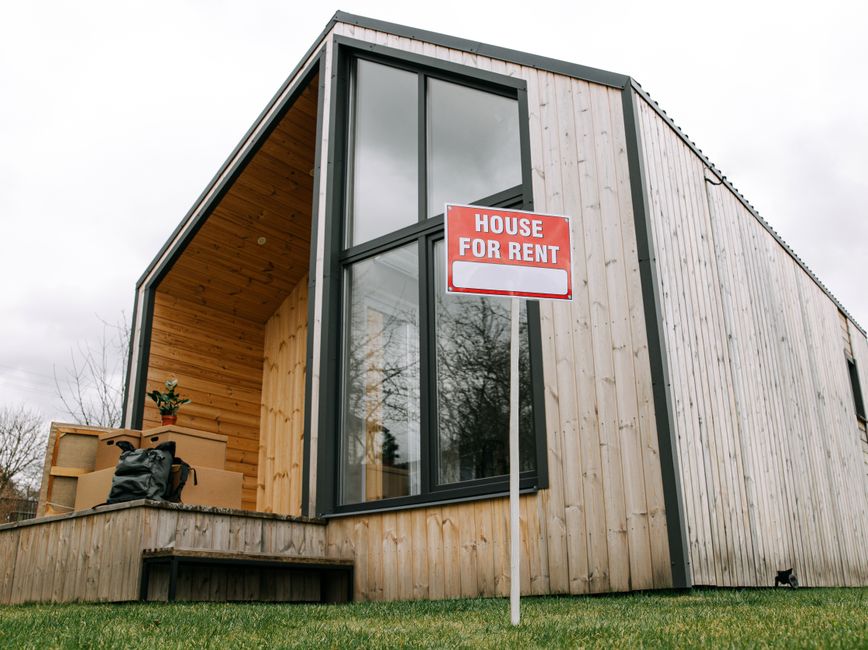
Monthly rents are rising faster than salaries in Riyadh, but hefty down payments have made buying a home in central districts like Al Olaya out of reach for many young professionals. Some are responding with a strategy new to the Saudi market: rent-vesting, which sees individuals renting where they want to live – often closer to jobs and entertainment – while buying investment properties in more affordable suburbs.
The debate over renting or buying has gained new urgency this summer. Data from the Saudi Central Bank shows mortgage growth has slowed since 2025, while average rents in hotspots like King Abdullah Financial District and Al Nakheel have increased by as much as 18% year-on-year. The uncertainty is further fueled by Riyadh’s ongoing megaprojects, which have intensified demand for centrally located accommodation as government staff and contractors move in.
Traditionally, most Saudis aspired to own the homes they lived in – often with extended family support. But with median apartment prices in King Abdullah Financial District now pushing SAR 2 million, even dual-income households in white-collar sectors are struggling with the 15% down payment required by local lenders such as Al Rajhi Bank. That equates to SAR 300,000 upfront, far beyond what most under-40s have saved.
The rent-vesting concept flips the script: rather than stretching to buy in an upscale neighbourhood, residents lease a central apartment (say, along Tahlia Street or near the Granada Business Park), but purchase an investment property in emerging districts like Al Malqa or Diriyah, where new housing projects linked to the National Housing Company have kept prices more moderate. Monthly rents for a mid-sized apartment near King Salman Park average SAR 7,500, while studios in new developments on the outskirts can be bought for SAR 650,000 or less – with projected rental yields upwards of 6% per annum, according to a June survey by Knight Frank Middle East.
Official figures illustrate the dilemma. The Ministry of Municipal and Rural Affairs reports that average apartment prices in Al Olaya jumped by 21% between May 2024 and May 2026, versus a 9% rise in rents over the same period. Yet even at elevated rents, the upfront cash needed to secure a mortgage – plus transaction fees, taxes and furnishing costs – often tips the equation in favour of renting, at least in the city centre.
Financial planners at Riyadh-based FALCOM Advisory are now fielding record inquiries from foreigners and Saudi nationals weighing rent-vesting options. Many aim to live closer to King Fahd Road or the diplomatic quarter, while owning and leasing out units along the new metro extensions in Al Narjis or Qurtubah, betting on capital gains as these suburban districts mature.
For those considering the strategy, experts advise careful due diligence on off-plan project timelines and tenant demand in secondary areas. With Riyadh’s rapid development, infrastructure gaps can impact both rental returns and long-term values. Still, for many priced out of central ownership, rent-vesting offers a way to build equity while enjoying a high-quality urban lifestyle.
Property
Property
Property
Property
About this article
Published by The Daily Riyadh
Spread the word
Daily brief
Free, in your inbox before 7am. Weekdays.
The Daily Network — local news across Australia