Amid steadily rising home prices in Riyadh, a growing segment of young professionals are turning to rent-vesting—a tactic where residents rent in preferred city locations, while buying investment property elsewhere—to balance lifestyle and wealth-building goals. The approach is finding traction as rents tick higher in neighborhoods like Al Olaya, while home ownership in up-and-coming suburbs offers a more affordable entry point for would-be investors.
As Riyadh Evolves, Affordability Pressures Mount
This issue is top-of-mind for families and singles squeezed by both climbing purchase prices and rent spikes. According to the Ministry of Municipal and Rural Affairs and Housing, Riyadh’s average apartment rent jumped 9% from January 2025 to June 2026. The latest Sabq Property Index reports that entry-level units along King Fahd Road—particularly in Al Murabba—now routinely list for SAR 80,000 to 100,000 per year. Meanwhile, median sale prices for two-bedroom flats in newly completed Al Malqa towers have shot above SAR 1.3 million as investor demand meets constrained supply. With these trends squeezing budgets, rent-vesting offers an alternative route to property investment for those unwilling to compromise on their address or daily commute.
For many, the trade-off is clear: keep renting close to prime employers and amenities—like the King Abdullah Financial District or tech clusters around Digital City—and channel saved capital into buying in lower-cost, high-growth zones such as Al Narjis or eastern An Narjis, where two-bedroom apartments can still be found for SAR 700,000 to SAR 900,000, well below the city’s glamour postcodes. Riyad Bank and Saudi Home Loans have reported a 15% year-on-year uptick in buy-to-let mortgage applications in these emerging outer-ring districts.
How the Numbers Stack Up
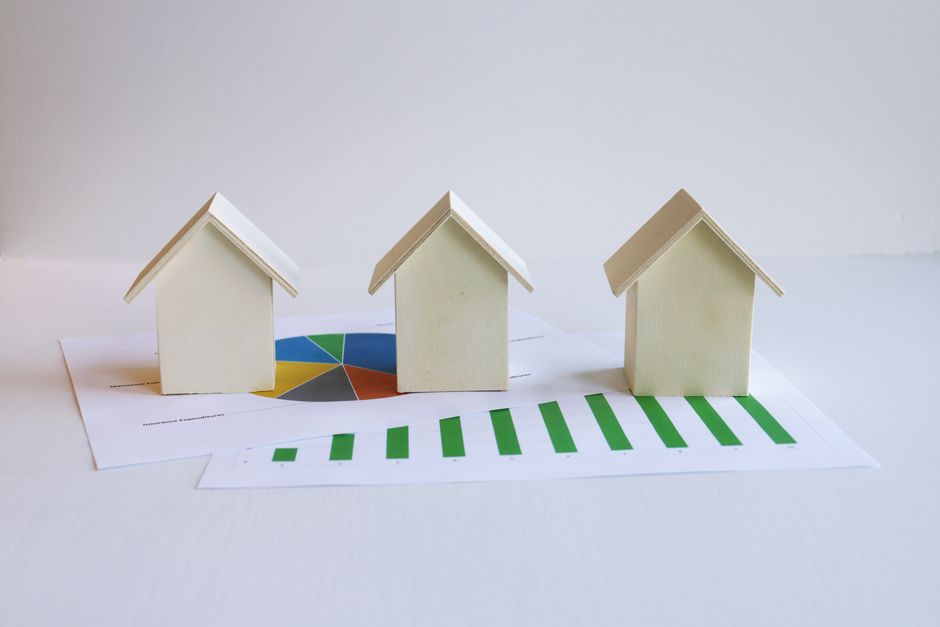
Data from the Real Estate General Authority shows that while the average citywide price-to-income ratio for first-time buyers now sits at 11.4 (up from 9.2 in 2023), rental yields on smaller apartment properties in the eastern fringe neighborhoods average 5.1%. That yield, though modest, commonly outpaces the uptick in rents in central Riyadh’s prestige towers. Property adviser Bayut estimates that a tenant renting a two-bedroom unit on Tahlia Street for SAR 110,000 per year, while owning a similar-sized flat in Al Qairawan and renting it out for SAR 44,000 annually, will net a positive cashflow, especially after leveraging new 20-year fixed-rate mortgage products introduced in late 2025. The numbers highlight how rent-vesting can mitigate the erosion of household budgets as inner-city rents leapfrog.
The government’s Sakani program has added momentum to the trend by supporting low-interest loans for first-time buyers targeting satellite neighborhoods. With developers rushing to complete projects by late 2027 along Abu Bakr As Siddiq Road and beyond, would-be investors have a widening menu of affordable investment options, even as prices escalate closer to the city’s core.
What’s Next? Practical Steps for Would-Be Rent-Vestors
For Riyadh residents, rent-vesting is far from a one-size-fits-all solution. The strategy’s success depends on local rental vacancy rates, mortgage eligibility, and accurately projecting future returns. Prospective rent-vestors should review property management costs, factor in the 5% annual rental cap for protected tenancies, and stay on top of shifting mortgage policy—SAMA’s latest lending reforms are expected to be clarified by Q4 2026. Experts recommend starting with a detailed household budget and speaking to licensed brokers with specific experience in cross-district investment. As property markets in Al Olaya and Al Malqa keep heating up, rent-vesting is likely to remain a popular option for Riyadhians determined to get on the property ladder without leaving the city’s vibrant core behind.