Property
Suburbs Where Buying In Riyadh Is Now Cheaper Than Renting: A 2026 Analysis
A surge in rental prices across Riyadh’s north has flipped the affordability equation in select neighbourhoods.
3 min read
Property
A surge in rental prices across Riyadh’s north has flipped the affordability equation in select neighbourhoods.
3 min read
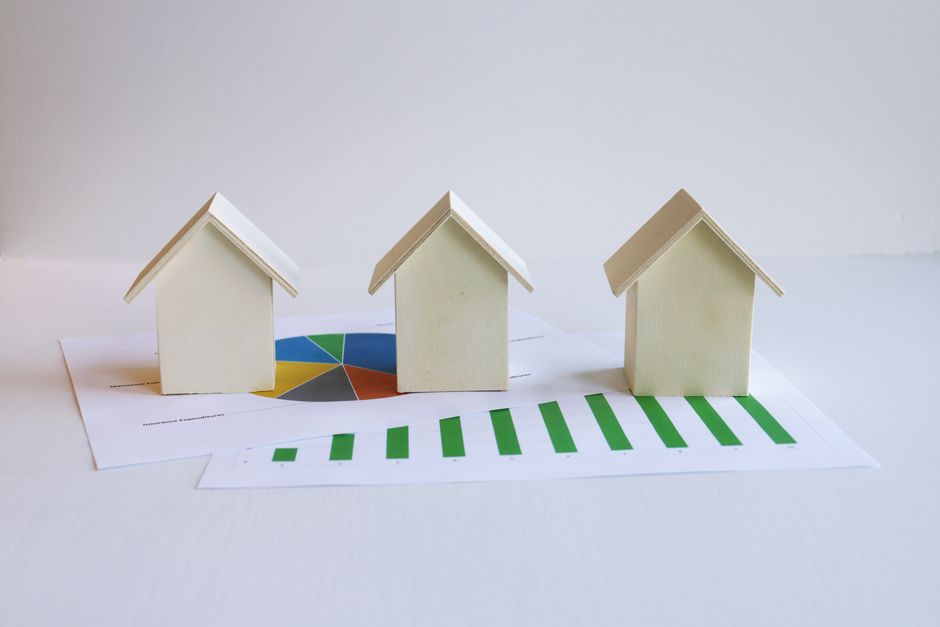
In Riyadh’s emerging north-west corridor, homebuyers are discovering that the cost of monthly mortgage payments has slipped below equivalent rents—a reversal that has upended usual assumptions for the city’s property market in 2026.
The shift comes as rental demand outstrips supply in key suburbs such as Al Malqa and Al Narjis, pushing median apartment rents to record highs. For families and young professionals, the decision to buy rather than rent in these areas could mean substantial savings over just a few years.
Along Prince Mohammad Bin Salman Road, mid-rise apartment projects in Al Malqa and newly released townhouses in Al Narjis are seeing brisk sales. According to figures provided by Seera Real Estate, median monthly rents for a two-bedroom flat in Al Malqa hit SAR 5,500 in June 2026, up from SAR 3,800 just eighteen months ago. Meanwhile, buyers purchasing a comparable apartment at current prices—around SAR 920,000 with a 20% deposit—face mortgage repayments as low as SAR 4,800 at a standard variable interest rate of 6.1% from Riyad Bank. The numbers hold similar in Al Narjis, where rents have spiked even faster, propelled by the opening of the new Knowledge Economic City campus in March.
"It’s never been like this before," said Noura Al-Abdulrahman, a property analyst at Riyadh Urban Observatory. "The rental squeeze is so pronounced that owning outright now gives young professionals monthly breathing room compared to those battling rising rents in prime suburbs." Although many buyers remain cautious, Bayut’s 2026 Riyadh Property Affordability Index confirmed that purchase costs undercut rents in four north-side communities for apartments and two for townhouses as of July.
Data from the Ministry of Municipal and Rural Affairs & Housing underscores the trend: city-wide apartment rents have climbed 22% since the start of 2025, while completed project handovers in King Salman Suburb and the Diriyah Gate fringe have lagged behind population growth. The gap is sharpest in districts served by the new Riyadh Metro Line 3, where rental increases have averaged 19% year-on-year. Meanwhile, mortgage rates remain steady after new SAMA regulations capped increases for first-home buyers.
Potential buyers are running the numbers, and for those planning to hold property at least five years, the monthly saving compared to renting can add up to over SAR 40,000 during that time. For example, a typical three-bedroom villa in Al Narjis with a SAR 1.71m purchase price, June listings showed, now costs about SAR 8,900 per month in repayments versus an average rent of SAR 10,200—a difference that’s hard for families to ignore.
With the next major handovers at Qurtubah One and King Khalid City not expected until late 2027, agents from Wasl Properties are already reporting record enquiries for off-plan townhouses in the north-west. Would-be buyers should assess their eligibility for down payment support under the Sakani programme, which continues to subsidise approved households. Financial planners at Al Rajhi Bank caution that buyers must budget for upfront purchase costs and maintenance, but the market reversal could persist until new supply tempers rent inflation. For many northern Riyadh families, it’s already an equation that points them toward home ownership—sooner, rather than later.
Property
Property
Property
Property
About this article
Published by The Daily Riyadh
Spread the word
Daily brief
Free, in your inbox before 7am. Weekdays.
The Daily Network — local news across Australia