Property
Build-to-Rent in Riyadh: What New Developments Offer Tenants as Homeownership Wobbles
A surge of managed rental communities in Riyadh is reshaping options for residents who weigh buying versus renting.
3 min read
Property
A surge of managed rental communities in Riyadh is reshaping options for residents who weigh buying versus renting.
3 min read
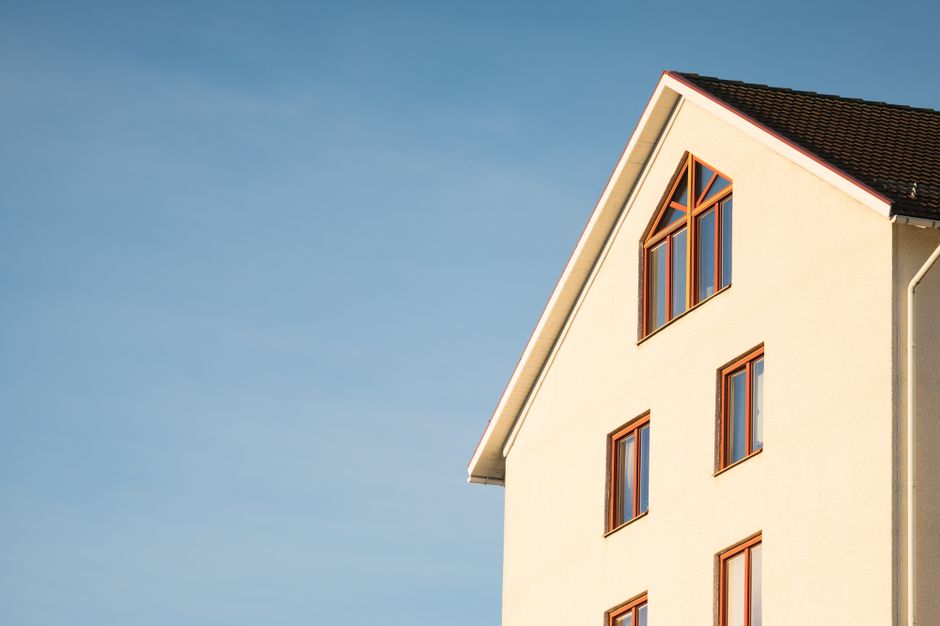
Riyadh’s first wave of dedicated build-to-rent (BTR) developments are leasing up fast, offering tenants amenities and security long associated with private homeownership—just as the city’s property buyers face rising barriers to entry.
The shift comes at a critical moment. This summer, monthly mortgage payments for a typical three-bedroom villa in north Riyadh’s An Narjis district have pushed past SAR 13,000, up nearly 18% from the second quarter of 2025, according to figures released by the Riyadh Real Estate Association. For many middle-class families, those numbers outpace income growth and make traditional homeownership a tougher proposition than it was even two years ago.
On King Salman Road, the recently opened Waha Living by Dur Hospitality is fully leased within three months, its 144 units snapped up by professionals and small families. In Al Malqa, developer Retal Investment is set to complete a 220-unit managed rental project this autumn, with waiting lists already forming. The BTR model differs from Riyadh’s longstanding approach to renting: developments are owned by a single landlord—usually an institutional investor—who manages tenancy, maintenance, and community services under one contract. Residents can expect 24-hour security, in-house repairs, centralised air conditioning, on-site gyms, and often a communal pool or event space—all included in monthly rent.
This approach is a significant shakeup. Traditionally, Riyadh tenants have relied on individual landlords who vary widely in service, lease length, and response time to repairs. The city’s campaign to modernise and expand housing options has prompted local conglomerates like Almarai Investment and Saudi Fransi Capital to channel billions of riyals into managed rental communities, viewing them as a counterweight to overheated sales markets.
The economics are drawing new interest. A premium two-bedroom apartment at Waha Living averages SAR 7,500 per month, utilities included. By contrast, a comparable mortgage payment for a newly built, similarly sized flat in Diriyah now surpasses SAR 9,000, not including taxes, insurance or maintenance. According to Bayut’s Riyadh market brief for June 2026, demand for long-term rental contracts in master-planned projects rose 12% in the first half of this year.
Prospective tenants say flexibility is a major draw. Not only are leases structured as one- or two-year agreements, but BTR tenants benefit from fixed escalation clauses: no sudden rent hikes or surprise eviction notices for family move-ins. This stability, combined with high-quality communal spaces and professional management, is causing a measurable shift in attitudes among both Saudis and expatriates, particularly in fast-developing corridors around Qurtubah Tech Park and Al Yasmin.
For developers, the numbers add up too. Managed rental communities are seeing occupancy rates above 95%—a level many legacy landlords in Olaya or Al Amal can only envy. City officials point to these new projects as essential supports for Riyadh’s Vision 2030 growth targets, which anticipate the metro population surpassing 10 million by 2030.
Analysts expect at least 2,000 new BTR units to complete across the city by the end of 2027, including a mixed-use offering from Jadwa Investment near Granada Mall. Renters weighing their next move should review lease terms closely: while most BTR operators offer transparent renewal policies and fixed service charges, prices are creeping upward as demand outstrips supply. Market watchers recommend acting early—some developments require pre-applications six months before planned move-in.
For now, build-to-rent is claiming its space in Riyadh’s residential market, providing a managed, amenity-rich alternative at a time when buying remains out of reach for many. Whether this trend endures will depend on continued investment, government support, and how quickly supply can catch up with the growing demand.
Property
Property
Property
Property
About this article
Published by The Daily Riyadh
Spread the word
Daily brief
Free, in your inbox before 7am. Weekdays.
The Daily Network — local news across Australia