Property
Rent-Vesting in Riyadh: A Fresh Path for Homeownership Ambitions
With house prices climbing, a rising number of Riyadh residents are renting where they live and investing in outer suburbs—a strategy dubbed ‘rent-vesting’.
3 min read
Property
With house prices climbing, a rising number of Riyadh residents are renting where they live and investing in outer suburbs—a strategy dubbed ‘rent-vesting’.
3 min read
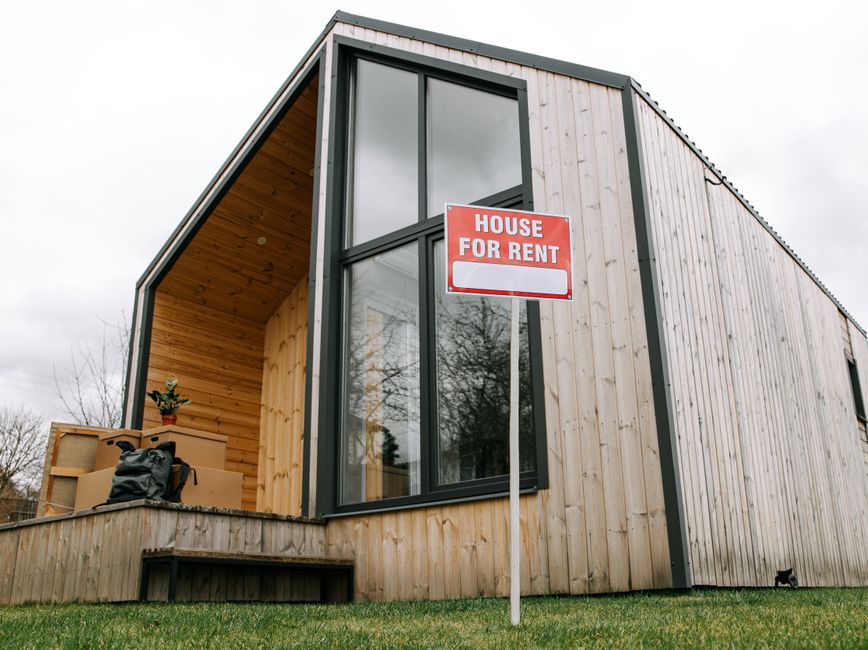
A growing cohort of young professionals in Riyadh is sidestepping skyrocketing home prices in Al Olaya and Al Malaz by choosing to rent their homes while investing in property further afield—a move known locally as rent-vesting.
This twist on the traditional path to homeownership has gained fresh significance in 2026. After several years of double-digit increases in apartment prices across central Riyadh, many first-time buyers now find themselves squeezed by high deposits and monthly repayments. At the same time, rental listings on platforms like Bayut and Property Finder remain steady, with absorption particularly strong around King Abdullah Financial District (KAFD) and the expanding outskirts of Al Narjis.
For would-be homeowners, the numbers in the heart of Riyadh are daunting. Data released in May by the Ministry of Municipal and Rural Affairs and Housing show the average sale price for a two-bedroom apartment in Al Olaya reached SAR 1.95 million this spring—up nearly 14% year-on-year. The median monthly rent for the same size flat, meanwhile, hovered at SAR 6,000. At these rates, saving enough for the typical 10-15% down payment can take years for newcomers or mid-career professionals.
Rent-vesting offers an alternative. Instead of tying up savings in a city-center deposit, some residents are renting apartments closer to work—particularly around major employers such as Riyadh Tech Valley or the King Faisal Specialist Hospital—and purchasing investment properties in more affordable districts like Al Khuzama or Qurtubah, where two-bedroom flats can still be found for SAR 740,000 to SAR 900,000. The approach provides exposure to property capital gains through ownership, while maintaining lifestyle flexibility that would not be possible by buying in pricier neighborhoods.
Saudi British Bank’s latest housing finance report noted a 23% surge in mortgages granted for investment properties in Riyadh’s developing suburbs during the first half of 2026. Real estate analysts attribute this to increased awareness of rent-vesting, amplified through seminars at venues like the Riyadh International Convention and Exhibition Center as well as social media influencers explaining the benefits and risks.
Financial modeling by estate agency Mada Homes suggests that a mid-level manager earning SAR 16,000 per month could, under a rent-vesting strategy, invest in a SAR 850,000 apartment in Al Yasmin on a long-term mortgage, while continuing to rent a city-center flat at SAR 6,500 per month. Their rental income from the suburban property would cover a major share of the mortgage repayments, while they retain the flexibility to move neighborhoods or adjust living arrangements as work or family circumstances change.
Experts warn that rent-vesting does require careful financial planning—especially factoring in potential gaps in rental income, ongoing maintenance, and the risk of slower price growth in outlying areas. But as the city’s Vision 2030 transformation continues to reshape both the housing market and the expectations of its residents, many see rent-vesting as a practical middle ground between ownership and mobility.
As summer leasing season peaks and median property prices continue to climb, advisers recommend prospective rent-vestors seek up-to-date valuations and professional mortgage guidance. Attention is also turning to whether government-backed homebuyer programs, such as the Sakani scheme, will adapt to recognize the shifting ambitions of Riyadh’s aspiring homeowners and investors alike.
Property
Property
Property
Property
About this article
Published by The Daily Riyadh
Spread the word
Daily brief
Free, in your inbox before 7am. Weekdays.
The Daily Network — local news across Australia