Property
Suburbs Where Buying Is Now Cheaper Than Renting in Riyadh
In several Riyadh neighbourhoods, falling house prices and higher rents have flipped the affordability equation in favour of buyers.
3 min read
Updated 3 h ago
Property
In several Riyadh neighbourhoods, falling house prices and higher rents have flipped the affordability equation in favour of buyers.
3 min read
Updated 3 h ago
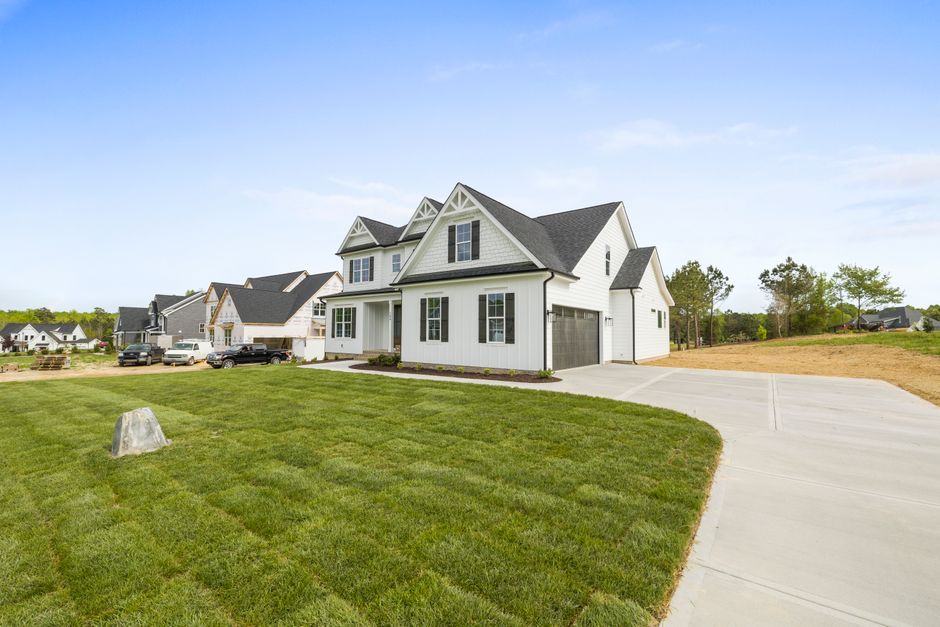
In a surprising twist for Riyadh’s property market, new data show that in outer suburbs like Al Yasmin and Al Narjis, it is now more cost-effective to buy than to rent, overturning the long-held assumption that homeownership in the capital remains out of reach for most residents.
This shift comes as many families and young professionals face steep rent increases, driven by a post-pandemic boom and a swelling expat workforce. At the same time, mortgage lenders—especially banks such as Alinma and Riyad Bank—have launched aggressive first-homebuyer packages, including fixed-rate instalments and low down payments, in a bid to capture long-term customers. For mid-market units, the monthly cost for buyers has dipped below that of renters for the first time in half a decade.
Nowhere is the trend more clear than in Al Narjis, a sprawling suburb north of King Salman Road. In June, asking rents for a modern three-bedroom villa near the Imam Muhammad Ibn Saud Islamic University rose to SAR 6,100 per month, according to the Najm Real Estate Index. Meanwhile, the same villa, listed for SAR 1.2 million in April, could be purchased with a 15% down payment and a 25-year fixed mortgage, resulting in monthly repayments of around SAR 5,000.
In Al Yasmin, just east of Airport Road and close to the popular Rimal Mall, buyers are also finding themselves ahead. Median asking rents have climbed 9% since January, reaching SAR 5,800 for a typical townhouse, while median purchase prices have stagnated. “Buying is suddenly not only achievable, but immediately more affordable,” said a local property agent operating on Prince Muhammad Bin Salman Road. She attributes the change to a flood of new apartment supply along Abu Bakr Al Siddiq Road, paired with government incentives from the Ministry of Municipal, Rural Affairs and Housing aimed at first-time buyers.
According to figures published on 2 July by the Saudi Central Bank, average residential rents in Riyadh have jumped 12% year-on-year, while median sale prices in the city’s 11 primary districts have crept up just 3%. In practice, for a SAR 1.15 million property in Al Narjis, a typical mortgage deal secured since April 2026 requires a monthly repayment 18% lower than the average area rent. First homebuyer grants—such as the Sakani initiative, which contributed over 3,000 down payment subsidies in Q2—have further lowered the entry bar for many residents.
Even in slightly upmarket areas like Al Malqa, on the western edge of King Fahd Road, buyers of two-bedroom apartments are spending up to SAR 900 less per month compared to renting the equivalent unit. However, the equation does not hold as neatly in upscale precincts such as Al Olaya or Diplomatic Quarter, where purchase prices remain out of step with rental rises.
Looking ahead, brokers at Al Rajhi Real Estate Development expect more outer suburbs to tip into ‘cheaper to buy’ territory if rent inflation outpaces house price growth through the autumn. For families weighing their options, analysts recommend comparing total monthly outgoings for at least three different neighbourhoods—taking into account prevailing mortgage rates and available government grants. With Sakani’s digital eligibility checker and an increasing number of off-plan launches in the city’s northern corridors, the decision for many Riyadhis may be more clear-cut than at any time since 2019.
Property
Property
Property
Property
About this article
Published by The Daily Riyadh
Spread the word
Daily brief
Free, in your inbox before 7am. Weekdays.
The Daily Network — local news across Australia