Property
Riyadh’s Rental Vacancy Rate Sinks to New Lows as Tenants Jockey for Scarce Homes
Competition heats up in the capital’s rental market, with vacancy rates tightening in key neighbourhoods.
3 min read
Property
Competition heats up in the capital’s rental market, with vacancy rates tightening in key neighbourhoods.
3 min read
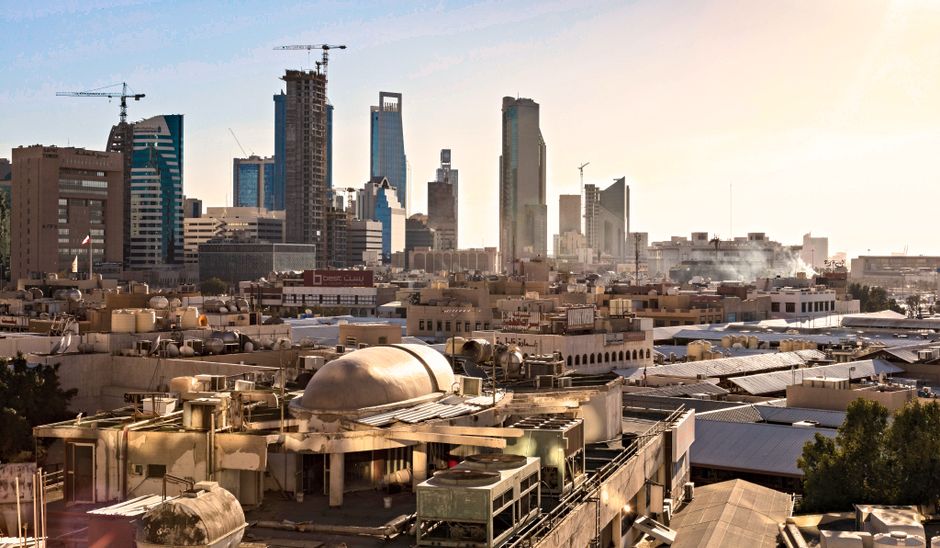
Rents for apartments across Riyadh continue their steep climb as rental vacancy rates slip to a three-year low, pushing both new arrivals and long-time residents into bidding wars for suitable homes.
This crunch comes as population growth and a surge in professional relocations raise demand faster than landlords and developers can deliver fresh stock. The limited availability is putting a squeeze on the city’s white-collar workers, students, and expatriates alike, particularly as summer moves into its hottest phase and traditional lease turnover peaks.
Prominent residential districts, including Olaya and Al-Malaz, are grappling with an acute shortage of vacant, move-in-ready units. According to property managers with Al Rajhi Real Estate and several listings tracked on the Haraj portal, apartments listed for rent along Takhassusi Street and around Prince Muhammad Bin Abdulaziz Road are attracting dozens of inquiries within hours. Aljazira Housing Cooperative, which manages several mid-range properties near King Salman Park, says the waitlist for its 2-bedroom flats grew by 23% during Q2 2026.
“As soon as a unit is available, we receive over 30 viewing requests,” a leasing administrator at Aljazira said. “A lot of people are searching, but there simply isn’t enough inventory in the price range most tenants want.” Data from Sakani, the Ministry of Municipal and Rural Affairs and Housing platform, shows similar patterns in the family-friendly Al-Nakheel district, where occupancy rates now exceed 97% for apartments under SAR 70,000 annually.
The rental vacancy rate across Riyadh fell to 2.4% in June 2026, down from 3.6% a year ago, according to data compiled by real estate consultancy Najm Al-Aqar. As vacancies have dried up, median annual rents for a two-bedroom flat in Olaya reached SAR 78,000 last month, up from SAR 62,000 in mid-2024. Even outlying neighbourhoods such as Al-Ma’athar are feeling the demand spillover, with rents there jumping by 19% year-on-year.
Several new developments, including Roshn’s SEDRA project in northern Riyadh, are still months from delivery, compounding near-term shortages. “The city’s Vision 2030 transformation is drawing in new companies and talent, but the housing supply pipeline is struggling to keep up,” explained one local analyst. Initiatives to fast-track building approvals and incentivise new rental stock are under discussion at Riyadh Municipality, but those measures may take time to have an impact.
For renters now, flexibility is critical. Experts recommend expanding your search into less central districts such as Al-Suwaidi or even looking for short-term serviced apartments if you need immediate occupancy. With school terms starting soon and corporate relocations peaking, tenants should be ready for brisk competition—and budget accordingly as prices continue to respond to strong demand. Eyes are on this autumn, when a tranche of new units in DQ West and north Hittin could bring some much-needed relief, though most agents agree that 2026 is likely to be a landlord’s market in the Saudi capital.
Property
Property
Property
Property
About this article
Published by The Daily Riyadh
Spread the word
Daily brief
Free, in your inbox before 7am. Weekdays.
The Daily Network — local news across Australia