wellness
Riyadh's Best Fermented Foods for Gut Health
Discover 5 traditional and modern fermented options available in Riyadh's markets and cafes that support digestive wellness.
Listen in English · 4 min
How we reported this
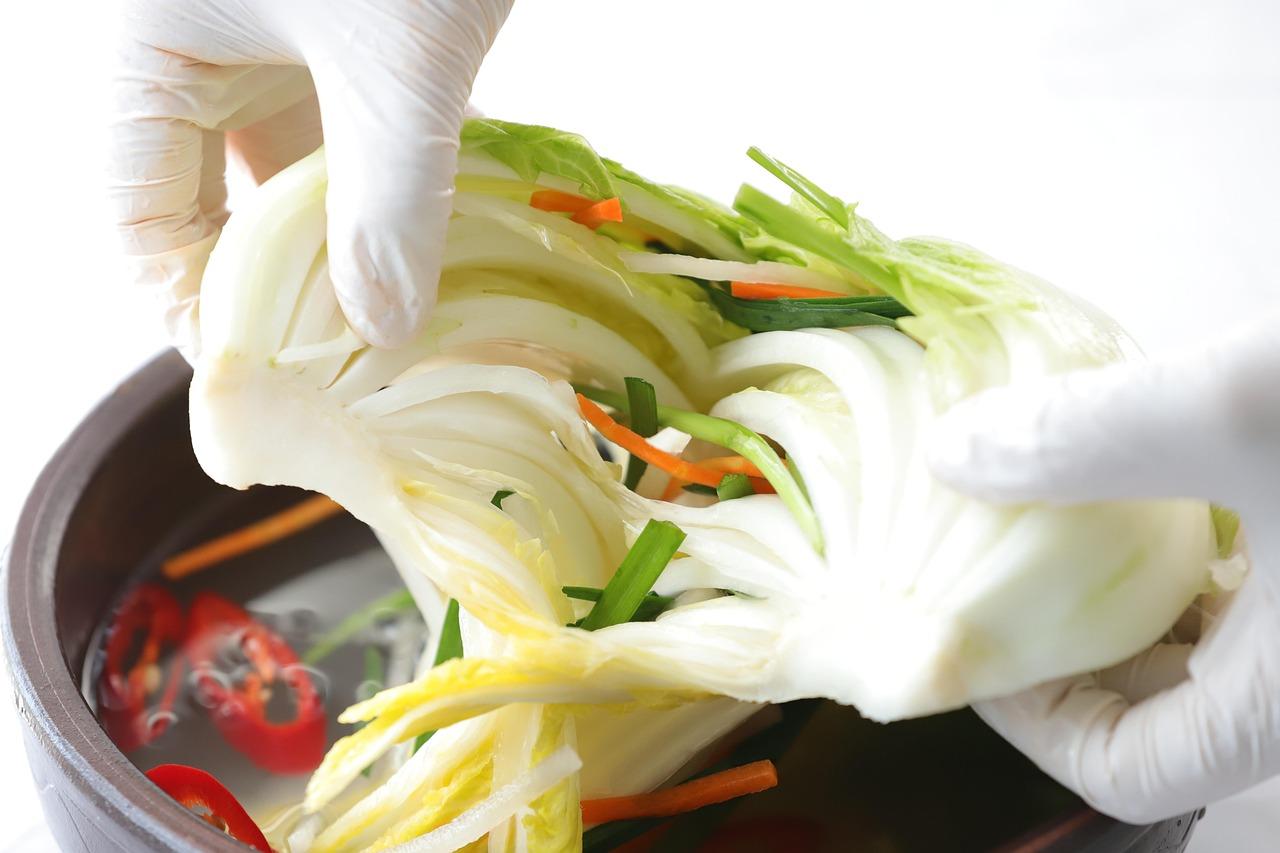
Gut health has moved from the margins of nutrition science to the centre of mainstream wellness conversation, and in Riyadh, where diet-related concerns including metabolic conditions and digestive issues affect a significant share of the population, the timing could not be more relevant. Fermented foods, long embedded in the region's culinary traditions, are now drawing serious attention from nutritionists and health-conscious residents alike.
The science underpinning the interest is substantial. The human gut houses roughly 100 trillion microorganisms, and research published in peer-reviewed journals including Cell and Nature Medicine over the past five years has consistently linked microbiome diversity to outcomes ranging from immune function to mental health. Fermented foods, those that have undergone controlled bacterial or yeast transformation, are among the most effective dietary tools for feeding and diversifying those microbial communities. That evidence base is now reaching Riyadh's fitness-forward demographic in a concrete way.
What to Look For, and Where to Find It
Start with laban. This tangy, fermented buttermilk drink has been a staple in Saudi households for generations and remains one of the easiest fermented foods to source across the capital. Supermarkets throughout Riyadh, including branches of Danube and Tamimi Markets, stock multiple varieties, with locally produced options typically priced between SAR 3 and SAR 8 per litre depending on the brand and fat content. The live bacterial cultures in traditionally made laban, primarily Lactobacillus strains, are the same family of probiotics found in commercially sold supplement capsules.
Yoghurt, or zabadi, follows similar principles. The key distinction to understand before buying: look for labels that read contains live and active cultures in Arabic, ثقافات حية ونشطة, because heat-treated yoghurts sold for extended shelf life will have lost most of their probiotic benefit. Al Marai and Alban Nadec both produce live-culture options widely available in Riyadh's cooperative supermarkets.
Then there is the less obvious category. Shops in the Al-Zal district near Al-Bathaa, one of Riyadh's oldest commercial neighbourhoods, carry imported and regional varieties of fermented pickles, turshi, preserved using salt-and-water brining rather than vinegar. Vinegar-pickled products do not carry the same probiotic load; traditionally brined pickles, where fermentation is driven by naturally occurring lactobacillus bacteria, are the ones worth seeking out. A 500g jar from the import stalls in that district typically runs between SAR 12 and SAR 20.
Riyadh's expanding health cafe scene has picked up on the trend too. Establishments along Tahlia Street and in the Sulaymaniyah neighbourhood have added kefir-based smoothies and kombucha to their menus over the past two years. Kombucha, fermented tea with live bacterial and yeast cultures, was largely absent from the local market as recently as 2023. It now appears on menus at several wellness-oriented venues, and at least two Riyadh-based small producers have begun selling bottled kombucha at the Friday farmers' market held at King Abdullah Financial District during the cooler months.
Making It Work in Practice
Nutritionists in the region consistently advise gradual introduction rather than overhauling your diet at once. Starting with a single 150ml serving of laban or yoghurt per day and observing how your body responds is a reasonable first step. Those with irritable bowel syndrome or existing digestive conditions should consult a licensed dietitian registered with the Saudi Commission for Health Specialties before making significant dietary changes.
Consistency matters more than quantity. A small daily serving of a genuinely fermented food, laban with breakfast, a side of brined pickle at lunch, is likely to deliver more benefit over time than occasional large amounts. The broader dietary pattern matters too: fermented foods work best alongside adequate fibre from vegetables, legumes and whole grains, which serve as prebiotics, essentially feeding the beneficial bacteria that fermented foods introduce.
The local food tradition has been ahead of the science for centuries. The practical challenge for residents in Riyadh today is not finding fermented foods, it is identifying which products on the shelf are genuinely fermented and which are merely flavoured dairy. Read the label. Buy from the brine barrel when you can. Your gut will register the difference.
Consult a local medical professional or a dietitian registered with the Saudi Commission for Health Specialties for personalised health advice.