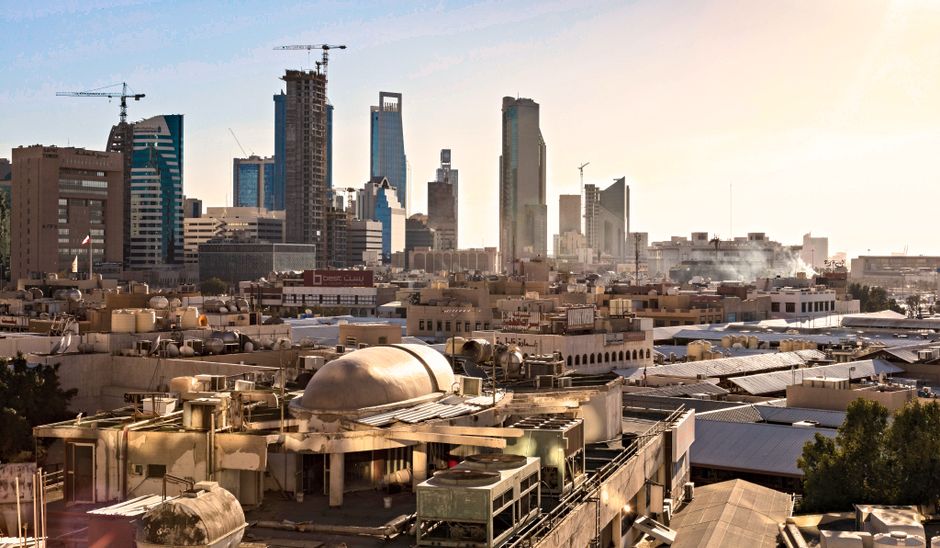
Riyadh residents are paying more for almost everything. Grocery bills at Tamimi Markets in Olaya have climbed roughly 12 percent since January 2025, according to figures published by the General Authority for Statistics in its Q1 2026 Consumer Price Index report. Gym memberships at private studios in the Al Nakheel district now start at SAR 250 a month — and that is before you add personal training sessions, supplements, or the specialty coffee that has become an unofficial fixture of the post-workout ritual. For a family of four managing a household budget in 2026, the cost of staying healthy can feel like a second rent.
That pressure matters right now for a specific reason. Saudi Vision 2030 set an ambitious target — raising the percentage of physically active citizens from 13 percent to 40 percent by the end of the decade. The kingdom is four years out from that deadline, and the Ministry of Sport has been candid that closing the gap requires accessible infrastructure, not just aspiration. The question residents should be asking is not whether affordable options exist; it is whether they know where those options actually are.
What the Government Has Built — and What It Costs
The most underused resource in the city is the network of Public Sports Centres operated by the Saudi Sports for All Federation. The federation runs facilities in multiple Riyadh neighbourhoods, including the centre on King Abdulaziz Road in the Shifa district and a second location serving the eastern reaches of the city near Khurais Road. Membership fees at these centres are capped at SAR 100 per month for adults, with children under 14 admitted free when accompanied by a registered member. That is roughly one-third of the going rate at a mid-tier private gym.
The centres offer weight rooms, group fitness classes, and in some locations swimming pools — all maintained under the federation's Quality of Life Programme, one of the flagship delivery vehicles under Vision 2030. The federation launched an app-based booking system in March 2026, meaning residents no longer need to show up in person to reserve court time or class slots. Slots for early-morning sessions — 5:30 a.m. to 7:00 a.m. — remain the least contested, particularly on weekdays.
Beyond the federation's own venues, the King Abdulaziz Public Library in the Al Imam Muhammad Ibn Saud Islamic University area runs a free monthly wellness lecture series covering nutrition, stress management, and sleep health. The July 2026 session, scheduled for July 15, focuses on managing fatigue during summer working hours — a timely subject given that Riyadh recorded a mean high of 44°C across June. Registration is open through the library's website and requires only a national ID or Iqama number.
Making the Numbers Work Day to Day
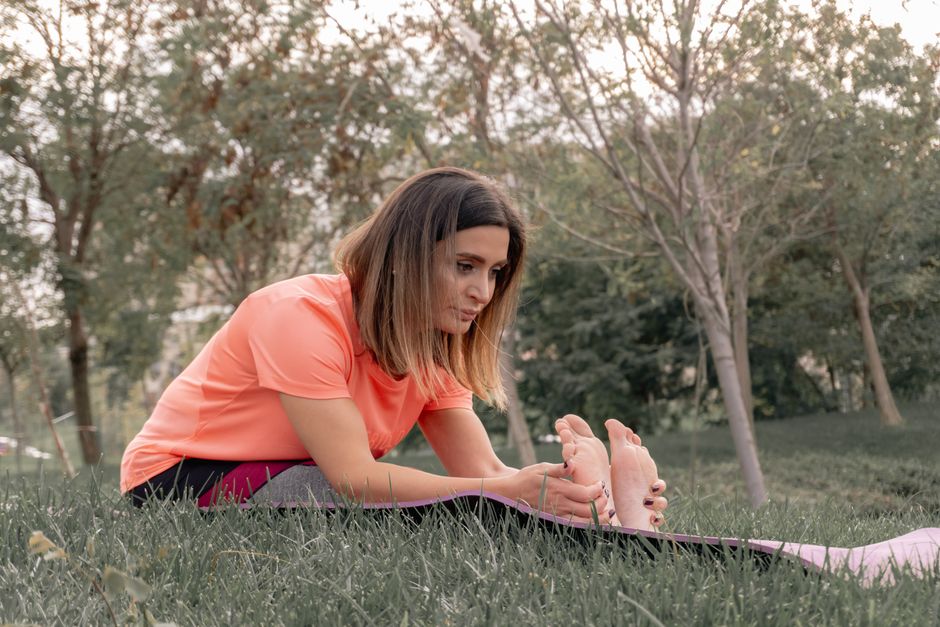
The outdoor option is harder to ignore. King Abdullah Park in the Al Malqa neighbourhood and the Wadi Hanifah ecological corridor both offer maintained walking and running paths at zero cost, though both become genuinely usable only after 7:00 p.m. in July. Wadi Hanifah stretches roughly 135 kilometres and has seen significant lighting upgrades since 2024, making evening use practical for larger groups. Several community running clubs, including the Riyadh Road Runners group that meets at the northern entrance to the wadi on Thursdays, organise free weekly sessions open to new participants.
For nutrition support — often the most expensive piece of the wellness puzzle — the Ministry of Health's Sehhaty app continues to offer free dietitian consultations via video call, bookable through the platform's primary care portal. Wait times as of June 2026 averaged four to six days for a first appointment, faster than many private clinic waitlists.
The practical step is registration. None of these resources require anything beyond a valid ID and, in most cases, a smartphone. Start with the Sports for All Federation website, cross-reference with the Sehhaty app, and block out two evenings at Wadi Hanifah before assuming a SAR 300-a-month gym contract is the only path to staying well in this city. Consulting a licensed healthcare professional remains the right move for anyone managing a specific condition — but for general fitness, the infrastructure already exists, largely paid for, and waiting to be used.
This article was compiled by AI and screened before publishing. See our editorial standards.