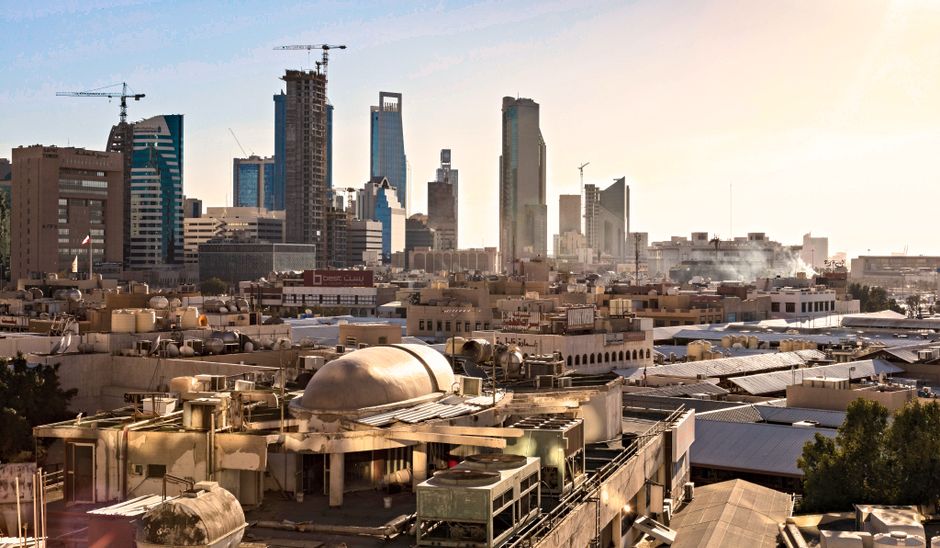
Riyadh sleeps late. That has always been true. But sleep medicine specialists working out of King Fahad Medical City and the King Abdullah bin Abdulaziz University Hospital report something more troubling than a cultural preference for post-midnight dinners: a measurable deterioration in sleep quality across age groups, with chronic sleep deprivation increasingly showing up as a clinical complaint rather than a lifestyle quirk.
The timing matters. Saudi Arabia's Vision 2030 economic programme has accelerated the pace of professional life in the capital, stretching working hours and social calendars simultaneously. The entertainment district at Boulevard Riyadh City on King Salman Road now runs events past 2 a.m. on weekends. Delivery apps promise restaurant meals from Olaya and Al Malaz neighbourhoods until 3 a.m. The city's infrastructure has been deliberately rewired for wakefulness — and the body is pushing back.
What Is Actually Disrupting Sleep
The World Health Organization classifies insufficient sleep — fewer than seven hours per night for adults — as a public health epidemic. A 2024 survey published in the Saudi Medical Journal found that 58 percent of adults in Riyadh reported poor sleep quality as measured by the Pittsburgh Sleep Quality Index, with students and shift workers in the highest-risk brackets. Blue light from phone screens suppresses melatonin production, the hormone that signals the brain to prepare for sleep. High ambient temperatures, which regularly exceed 42°C in Riyadh during July, force many residents to keep air conditioning at levels that disrupt the body's natural core-temperature drop overnight. Add a diet heavy in late-evening carbohydrates and caffeine — the average Saudi adult drinks roughly four cups of tea or coffee daily, much of it after 8 p.m. — and the conditions for poor sleep are almost architecturally built in.
Hormonal factors are also drawing more attention from clinicians. Interest in how testosterone, cortisol and melatonin interact with sleep architecture has grown sharply in 2026, partly driven by broader global conversations about hormone health. Elevated cortisol from chronic stress keeps the nervous system alert well past midnight. Low melatonin from screen exposure delays sleep onset. The result is a population that gets into bed at midnight but does not reach deep, restorative sleep stages until 2 a.m. or later — then wakes at 7 a.m. for work.
What Residents and Clinicians Are Doing About It
The Sleep Disorders Centre at King Fahad Specialist Hospital in the Al Sulaimaniyah district has seen appointment volumes rise by roughly 30 percent since 2024, according to figures cited in the hospital's 2025 annual health report. Cognitive Behavioural Therapy for Insomnia, known as CBT-I, is now offered as a structured programme there and is regarded by practitioners internationally as the most effective non-pharmacological treatment for chronic insomnia.
Wellness centres in the Diplomatic Quarter and along Prince Mohammed bin Salman Road have begun offering sleep-focused programmes that combine circadian rhythm education with controlled light therapy sessions. One programme at a clinic in the DQ charges SAR 450 per session for a six-week course. It is expensive, but it reflects a growing consumer willingness in Riyadh to treat sleep as a health investment rather than something that simply happens.
For the majority who cannot access specialist care, the practical levers are unglamorous but well-evidenced. Set a fixed wake time, including Fridays and Saturdays. Cut caffeine after Asr prayer, around 4:30 p.m. in Riyadh in July. Drop bedroom temperature to between 18 and 20°C. Stop eating the main meal of the day less than two hours before sleeping. Put the phone in another room. These recommendations cost nothing and require no prescription, but they demand something most Riyadh residents find genuinely difficult to give up: the late-night social hours that define the city's rhythm.
The honest answer is that some of this is a structural problem, not just a personal one. A city that schedules its entertainment, its dining, and much of its professional networking after 10 p.m. will struggle to be a city that sleeps well at midnight. Individual habit changes help. They are not the whole solution. Anyone experiencing persistent insomnia or daytime exhaustion should consult a physician at one of Riyadh's licensed sleep clinics before self-medicating — including with supplements widely available at pharmacies on Olaya Street.