wellness
Riyadh Locals Reveal Hidden Wadi Trails Tourists Never Discover
Beyond the glossy malls and rooftop terraces, Riyadh's most devoted walkers have mapped a quiet circuit of wadis, escarpments and shaded trails that rarely appear on any visitor guide.
How we reported this
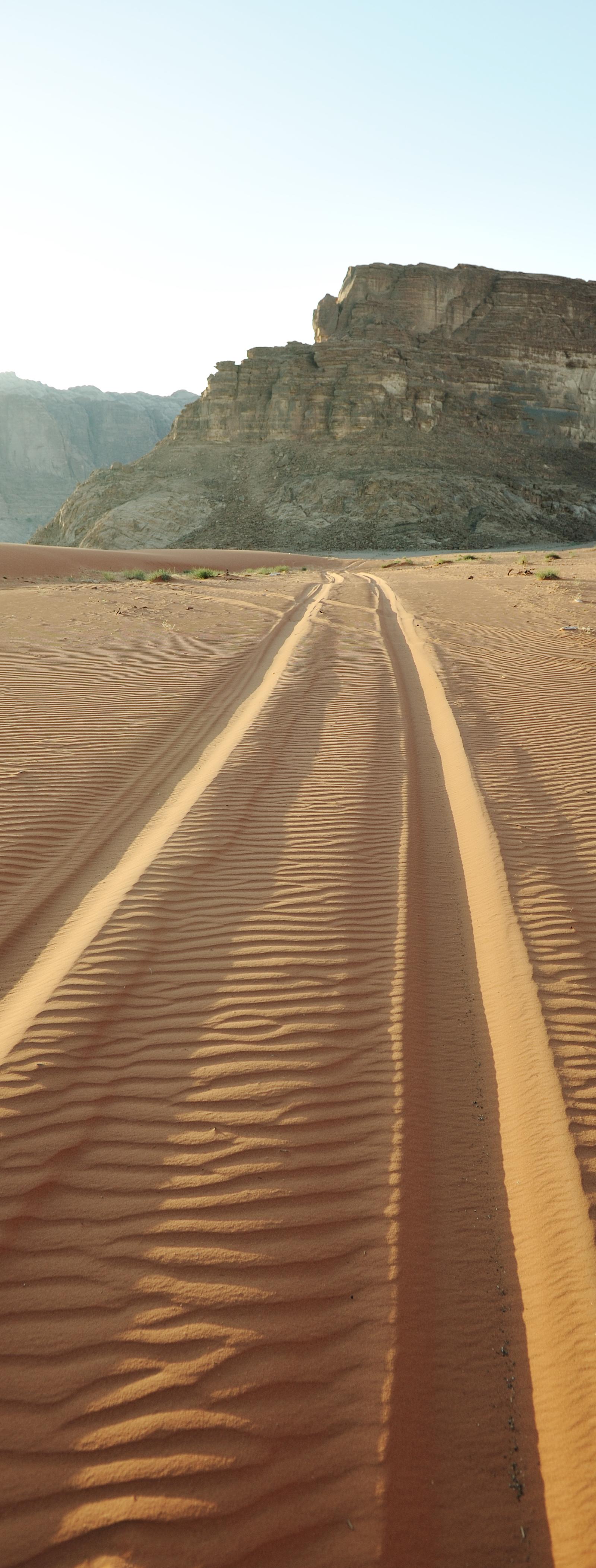
Most mornings before 7 a.m., a loose community of Riyadh residents is already moving. Not on treadmills. Not in air-conditioned studios. They are out on dirt paths threading through the limestone outcrops of Wadi Hanifah, the 120-kilometre valley system that cuts through the western edge of the capital, and they would prefer you didn't know about it.
This matters because Riyadh's official wellness infrastructure, Vision 2030-linked projects, the new King Salman Park, the cycle lanes along King Abdullah Road, gets most of the media attention and most of the foot traffic. The informal walking culture thriving beneath that headline layer tells a different story about how the city actually moves, and why outdoor fitness here has quietly become a year-round habit rather than a cool-weather novelty.
The Wadi and the Escarpment
Wadi Hanifah is the obvious starting point, but the stretch most locals favour runs near the Al Salam district, where the valley narrows and date palms provide genuine canopy shade by mid-morning. The Arriyadh Development Authority completed a phased rehabilitation of the wadi beginning in the early 2000s, installing graded footpaths, rest points and small planted areas. Entry is free. What tourists miss is that the trail network extends well beyond the manicured southern sections near Wadi Namar Lake, head north past the Manfouha neighbourhood and the path becomes looser, quieter and, regulars say, considerably more rewarding.
The second spot that almost never appears on tourism boards is the escarpment walk along the Tuwaiq cliffs in the Al Faisaliyah direction, accessible via the Dhahban area on the capital's western fringe. The ridge offers uninterrupted views across the Najd plateau and a roughly 4-kilometre return trail that is entirely unpaved. No signage, no vendors, no crowds. Regulars track the route on AllTrails, where it has accumulated more than 340 logged completions since 2024, almost all from Riyadh residents rather than visitors.
King Salman Park deserves its own mention. The first phase opened in late 2024 across 13.4 square kilometres in northern Riyadh, making it one of the largest urban parks in the world by footprint. General pedestrian access remains free on weekdays. The park's inner green circuit, roughly 3.2 kilometres, is already a fixture for evening walkers from the Olaya and Al Worood neighbourhoods who want a maintained surface without paying for a gym membership. What the marketing materials underplay is a smaller secondary loop that skirts the park's southern tree-planting zone, away from the main visitor facilities, where the atmosphere feels genuinely park-like rather than event-ready.
Making the Most of the Season
Timing is everything. Riyadh's mean maximum temperature in July sits around 43 degrees Celsius, which makes the window between 5 a.m. and 8 a.m. non-negotiable for outdoor exertion. That same heat, paradoxically, is what keeps the informal trails quiet, casual visitors rarely plan around a pre-dawn alarm. By September, when temperatures begin dropping toward the low 30s, the wadi fills up fast and the sense of discovery fades somewhat.
Gear costs are manageable. A pair of mid-range trail shoes from Sun and Sand Sports at Riyadh Park Mall starts at around SAR 280, and a 1.5-litre hydration bladder from the same retailer runs SAR 95. Both are worth the investment before attempting the escarpment route, where the terrain is uneven and shade is intermittent at best.
For anyone new to outdoor fitness in the capital, the Riyadh Municipality's Green Riyadh programme, targeting the planting of 7.5 million trees across the city by 2030, is steadily adding shaded rest nodes along several of these informal corridors. The programme's urban trail component is expanding in the Al Malaz and Al Rawdah districts this calendar year. Checking the Green Riyadh initiative's official updates before a first outing gives a clearer picture of which paths have been improved recently. As always, consult a local medical professional before starting any new outdoor fitness routine, particularly in summer conditions.