wellness
Meal Prep Strategies for Busy Families and Workers That Actually Work in Riyadh
With working hours stretching longer and fast-food delivery apps a tap away, Riyadh families are rediscovering the economics, and health gains, of cooking ahead.
Listen in English · 4 min
How we reported this
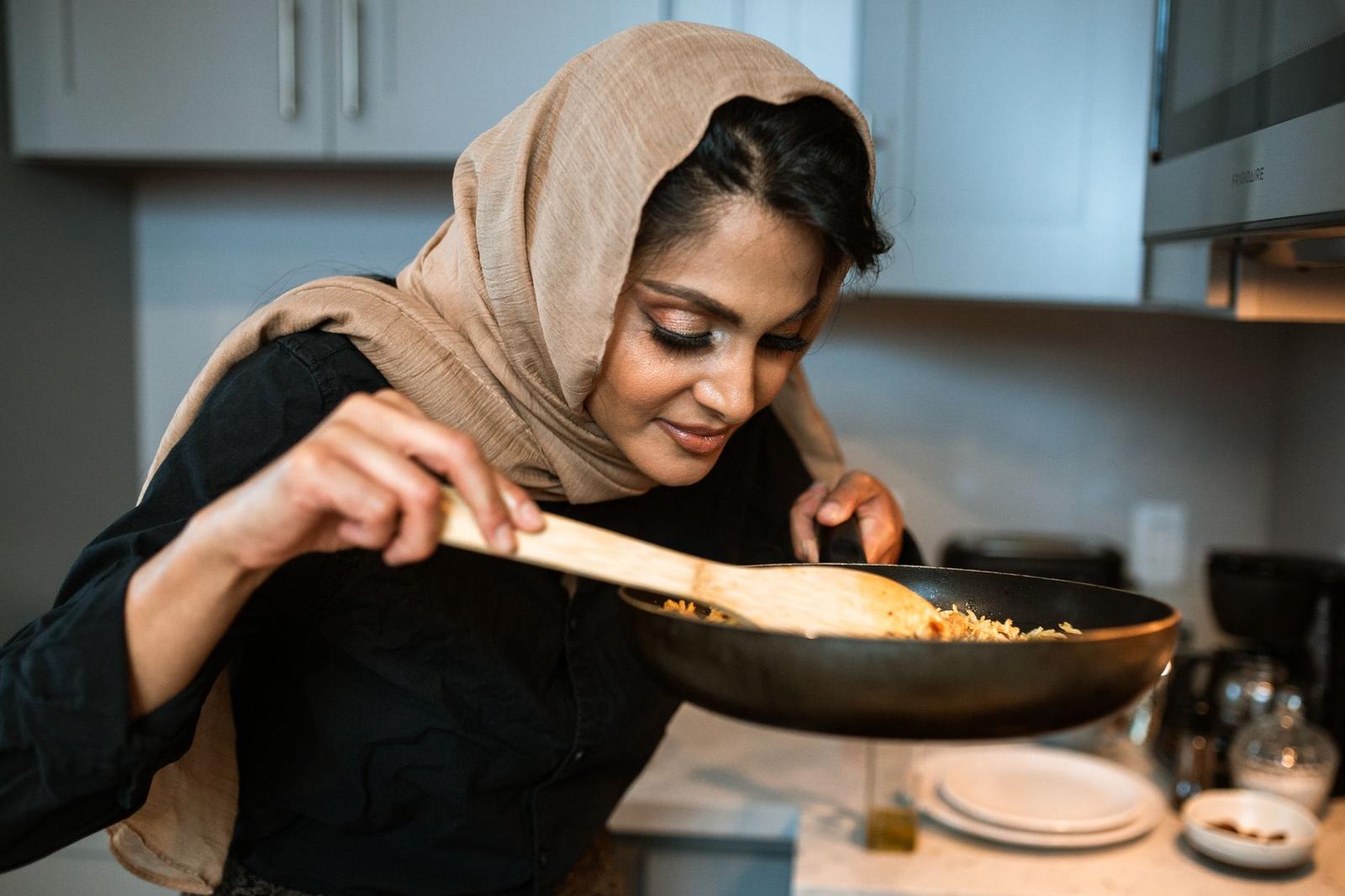
The average Riyadh household spends a significant portion of its monthly food budget on takeaway and restaurant meals, a figure nutritionists here say is both a spending problem and a health one. Structured meal preparation, once considered a niche habit of gym-goers, is moving into the mainstream conversation among families in districts across the city.
The timing matters. The Kingdom's Vision 2030 health targets aim to cut adult obesity rates. That ambition lands squarely on weekday dinner tables, where exhausted workers are most likely to order takeaway instead of reaching into the refrigerator for something prepared the day before. The gap between intention and execution is the meal prep problem in shorthand.
Start With the Weekend, Not the Weeknight
Nutritionists consistently point to the same structural solution: treat a weekend morning as a cooking window. A two-hour block is typically enough to produce proteins, grains and chopped vegetables that serve a family for several days. Batch-cooked rice, stew, and marinated grilled chicken cover most of the macronutrient bases and refrigerate safely for up to four days.
Supermarkets now dedicate shelf space to glass meal-prep containers and vacuum-seal bags, a response to what retailers noticed: a measurable jump in those categories during weekend morning shopping hours. A standard set of containers costs a moderate amount at most Riyadh hypermarkets, a one-time cost that pays back quickly for a household replacing even a few takeaway orders a week.
Riyadh's corporate wellness scene is also pushing the habit from the employer side. A local mall hosts a weekend pop-up where registered dietitians demonstrate batch-cooking techniques adapted for Gulf pantry staples like dried chickpeas, freekeh, and pomegranate molasses. The sessions are typically full within days of registration opening online.
The Practical Architecture of a Prep Day
The method that nutrition coaches in Riyadh return to most often follows a simple hierarchy: cook the slowest things first. A pot of chickpeas or a tray of root vegetables goes into the oven before anything else. While that runs, proteins get marinated and grains hit the stovetop. By the time the oven timer sounds, a family has completed the hardest third of the week's food with minimal active effort.
Spice discipline matters here. Saudi home cooking relies on complex spice blends that can be pre-mixed in quantity and stored in labelled jars for weeks without losing potency. Doing this once a month eliminates a surprising amount of weeknight decision fatigue. Local spice markets sell custom-blended versions, and several vendors will mix to personal specification.
For workers eating lunch at offices, the calculus is especially sharp. A home-prepped lunch box costs significantly less per meal versus most food court vendors. Over a five-day working week, that difference compounds to substantial monthly savings for a single person.
The entry point for any family new to the practice is deliberately modest: one prep session, a few proteins, grain bases, and pre-washed salad greens divided into containers. Expand the system only after the habit stabilises. Riyadh's own wellness programmes publish free meal planning templates through a government app, worth downloading before the next grocery run.