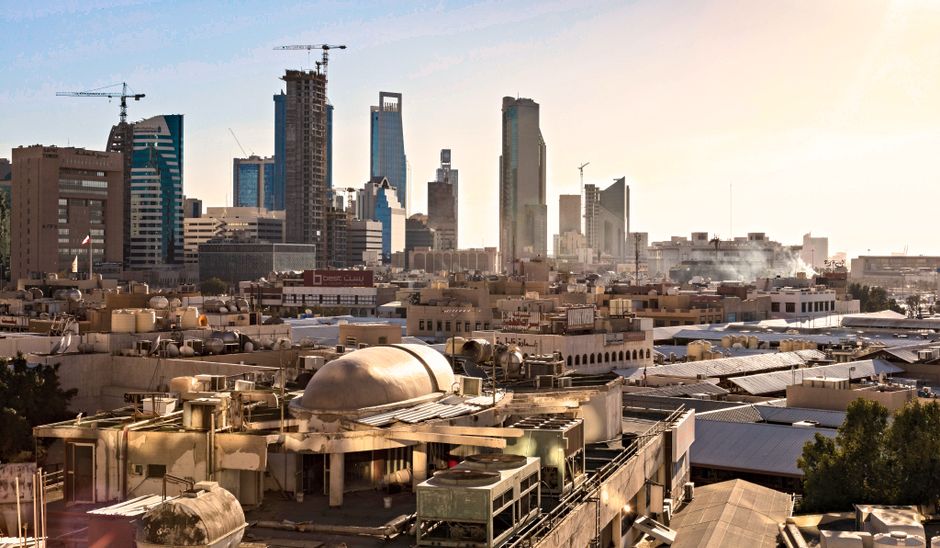
Loneliness is now classified by the World Health Organization as a global public health threat, and Riyadh is not immune. A 2024 Gallup World Poll found that 24 percent of adults in the Gulf region report feeling lonely on a regular basis — a figure that mental health practitioners here say has not meaningfully improved since the post-pandemic years. The city's population crossed 8 million in 2025, yet paradoxically, the bigger Riyadh grows, the harder it becomes for many residents to find genuine human connection.
The timing matters. Saudi Vision 2030 has transformed Riyadh's social infrastructure at extraordinary speed — new entertainment districts, mixed-gender public spaces, and a booming café culture along Tahlia Street and the Diplomatic Quarter have all reshaped how people interact. But urban expansion and longer commutes through districts like Olaya and Al Malqa have also fragmented the neighbourhood ties that once made daily social contact almost automatic. For many expats and younger Saudis living alone in apartment blocks, weeks can pass with only transactional exchanges.
Mental health professionals point to a distinction that often gets lost: loneliness is not solitude. A person can feel profoundly isolated in a packed iftar gathering or a crowded coworking space. What protects against its psychological damage is the quality of connection, not mere proximity. Chronic loneliness elevates cortisol levels, disrupts sleep architecture, and has been linked by a 2023 study in Nature Mental Health to a 26 percent increase in the risk of premature death — comparable to the mortality risk associated with smoking 15 cigarettes a day.
Where Riyadh Is Already Responding
Several local organisations have begun treating social connection as a clinical intervention rather than a lifestyle bonus. Sulaha Mental Health Centre, operating out of the King Fahd District, runs structured group therapy sessions specifically designed around communal bonding, with eight-week programmes that cost between 350 and 600 SAR per participant. Occupancy rates for those groups have doubled since early 2025, according to the centre's public communications. Across town, the Saudi Health Council's community wellness initiative launched a peer support network in February 2026 that now operates out of 11 community centres in areas including Al Rawdah and Al Aqiq.
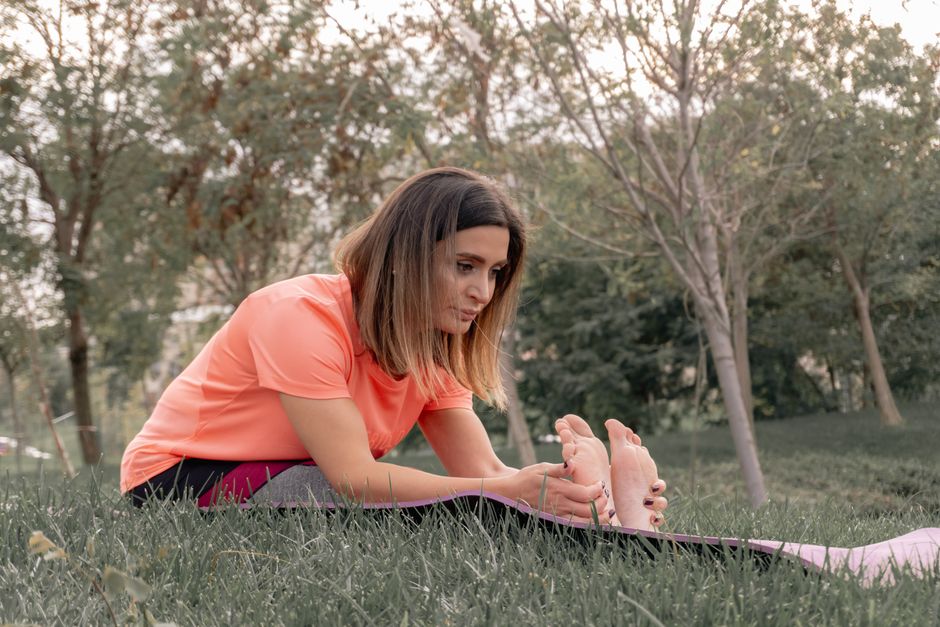
Riyadh's parks have become an underappreciated social infrastructure asset. King Abdullah Park in Al Malqa draws consistent morning crowds for group exercise, and informal running clubs — including the Riyadh Runners collective, which posts weekly meetups on its public channels — report membership growth of roughly 40 percent over the past 18 months. Exercise is a well-documented buffer against loneliness, but what these groups also provide is something harder to quantify: routine, accountability, and face-to-face recognition.
Practical Steps That Actually Work
Research from the Hasso Plattner Institute published in January 2026 confirms that weak social ties — acquaintances, neighbours, the barista who knows your order — contribute almost as much to subjective wellbeing as close friendships. This is relevant in a city where people often wait for deep friendships to form before investing social energy at all. Starting smaller works.
Mental health practitioners in Riyadh recommend several concrete starting points. Commit to one recurring in-person activity each week — a class, a club, a volunteer shift — and treat it with the same calendar weight as a work meeting. The King Salman Humanitarian Aid and Relief Centre runs volunteer coordination for Riyadh residents, and civic participation is consistently associated with lower loneliness scores in population studies. Reduce screen-mediated socialising as a replacement for physical presence; video calls maintain relationships but do not build new ones effectively. And talk to a professional if isolation has persisted for more than a few weeks — the Saudi Commission for Health Specialties maintains a directory of licensed counsellors across the capital.
Connection is not a luxury to be scheduled once wellbeing is otherwise sorted. The evidence says it is foundational — perhaps the single most modifiable risk factor for mental health in a rapidly changing city. Riyadh has the infrastructure. The harder part is showing up. Consult a qualified local medical or mental health professional for personal advice tailored to your situation.