Wellness
Sydney's Hottest June on Record Reshapes Winter Wellness Strategies
With Sydney logging its hottest June since records began in 1859, the usual cold-weather health playbook needs a serious rewrite for 2026.
4 min read
Wellness
With Sydney logging its hottest June since records began in 1859, the usual cold-weather health playbook needs a serious rewrite for 2026.
4 min read
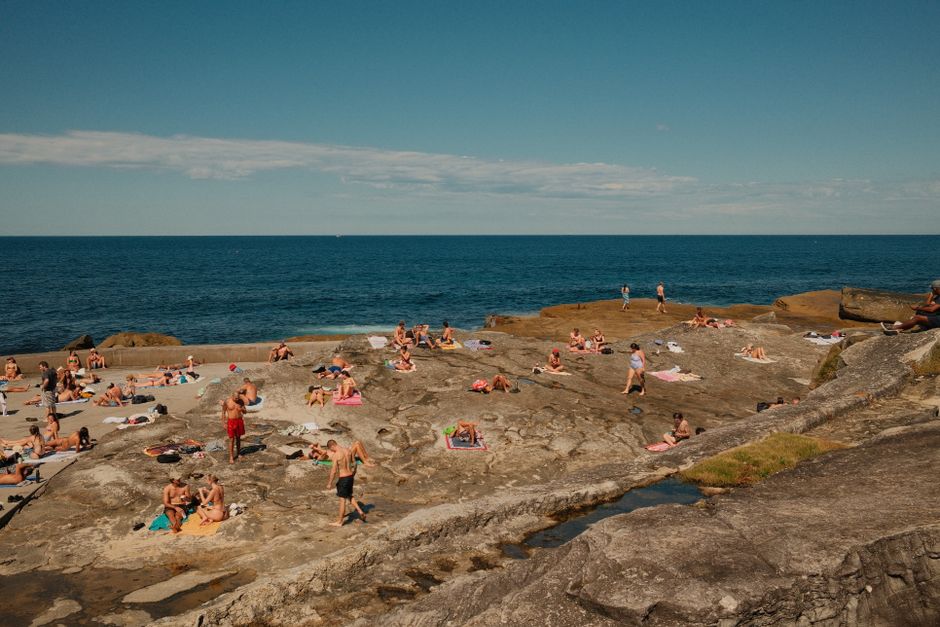
Sydney's thermometers sat stubbornly above average every single day of June 2026, producing the city's warmest June in 167 years of official record-keeping. That stat isn't just a curiosity for climate scientists — it has direct, immediate consequences for how Australians should be managing their health this winter. Warm, dry air combined with winter light deprivation creates a physiological cocktail that most standard wellness advice, written for cold northern hemisphere climates, simply doesn't account for.
The mismatch matters because Australians still largely follow wellness routines borrowed from European or North American templates — heavier diets, reduced outdoor movement, earlier retreat indoors. When the ambient temperature in July is running 2 to 3 degrees above the long-term mean, those habits can actively work against you, suppressing the immune response and disrupting circadian rhythms that depend on temperature cues as much as light.
Research published by the Australian Institute of Health and Welfare in its 2025 chronic disease report found that respiratory and cardiovascular admissions spike not just during cold snaps but during volatile temperature swings — the kind where a June morning in Parramatta hits 22 degrees and drops to 9 by midnight. The body's thermoregulatory system burns significant energy managing those swings, leaving less capacity for immune defence. The AIHW data tracked over 340,000 hospital presentations across the eastern seaboard between May and August 2024, finding the highest-risk demographic was adults aged 45 to 64 who exercised outdoors less than three times per week.
The practical implication is straightforward: don't wait for it to feel cold before adopting winter health practices. Vitamin D supplementation becomes relevant even in July when the UV index drops below 3 — which it does for most of New South Wales and Victoria between June and August. The Cancer Council Australia recommends a daily 10-minute midday outdoor exposure minimum on days when the UV index sits between 1 and 2, which describes most of this month across the country. Products containing at least 1000 IU of Vitamin D3 retail for around $18 to $24 for a 200-tablet supply at major pharmacies, including Priceline locations on George Street in the Sydney CBD and on Bourke Street Mall in Melbourne's city centre.
Sleep is the other lever most people are pulling the wrong way. The lack of genuine cold this winter means many people aren't experiencing the natural drop in core body temperature that normally signals the brain to increase melatonin production. Sleep specialists at the Woolcock Institute of Medical Research in Glebe have been advising patients to manually lower bedroom temperatures to between 16 and 19 degrees Celsius — even if that means running air conditioning on cool mode in July — to replicate the thermal trigger for deeper sleep cycles.
Movement is where local conditions offer a genuine advantage right now. Winter 2026 has delivered fewer wet days than the 30-year average across coastal New South Wales and Queensland, making outdoor exercise more consistently accessible. The Bondi to Coogee coastal walk — 6 kilometres return, free, accessible daily — logged record foot counts in June according to Waverley Council's pedestrian monitoring program, with weekday morning numbers up roughly 18 per cent on June 2025. That trend reflects something real: people are using the mild conditions, and the data on outcomes supports them doing so.
Strength training twice weekly, combined with 150 minutes of moderate aerobic activity, remains the benchmark set by the Australian Government's Physical Activity and Sedentary Behaviour Guidelines. But the warm winter creates a specific opportunity to bank outdoor sessions before the humid heat of late summer returns in November. Programs like Heart Foundation Walking, which operates free guided group walks across 600 locations nationally including the Tan Track loop in Melbourne's Domain precinct, require nothing more than a pair of shoes and a postcode search at walking.heartfoundation.org.au.
The one consistent message from exercise physiologists and GP clinics alike: individualise. A warm, dry July in coastal New South Wales is not the same physiological environment as an inland winter in Canberra or Toowoomba. Consulting a GP or accredited exercise physiologist before overhauling any health routine remains the safest starting point, particularly for anyone managing an existing condition. The evidence base is there. The conditions are cooperative. The only remaining variable is turning up.
About this article
Published by The Daily Riyadh
Spread the word
Daily brief
Free, in your inbox before 7am. Weekdays.
The Daily Network — local news across Australia