lifestyle
Qahwa and the dallah: the ritual of Arabic coffee in Riyadh
A cardamom-scented pot and a small handleless cup remain at the centre of hospitality across the capital.
How we reported this
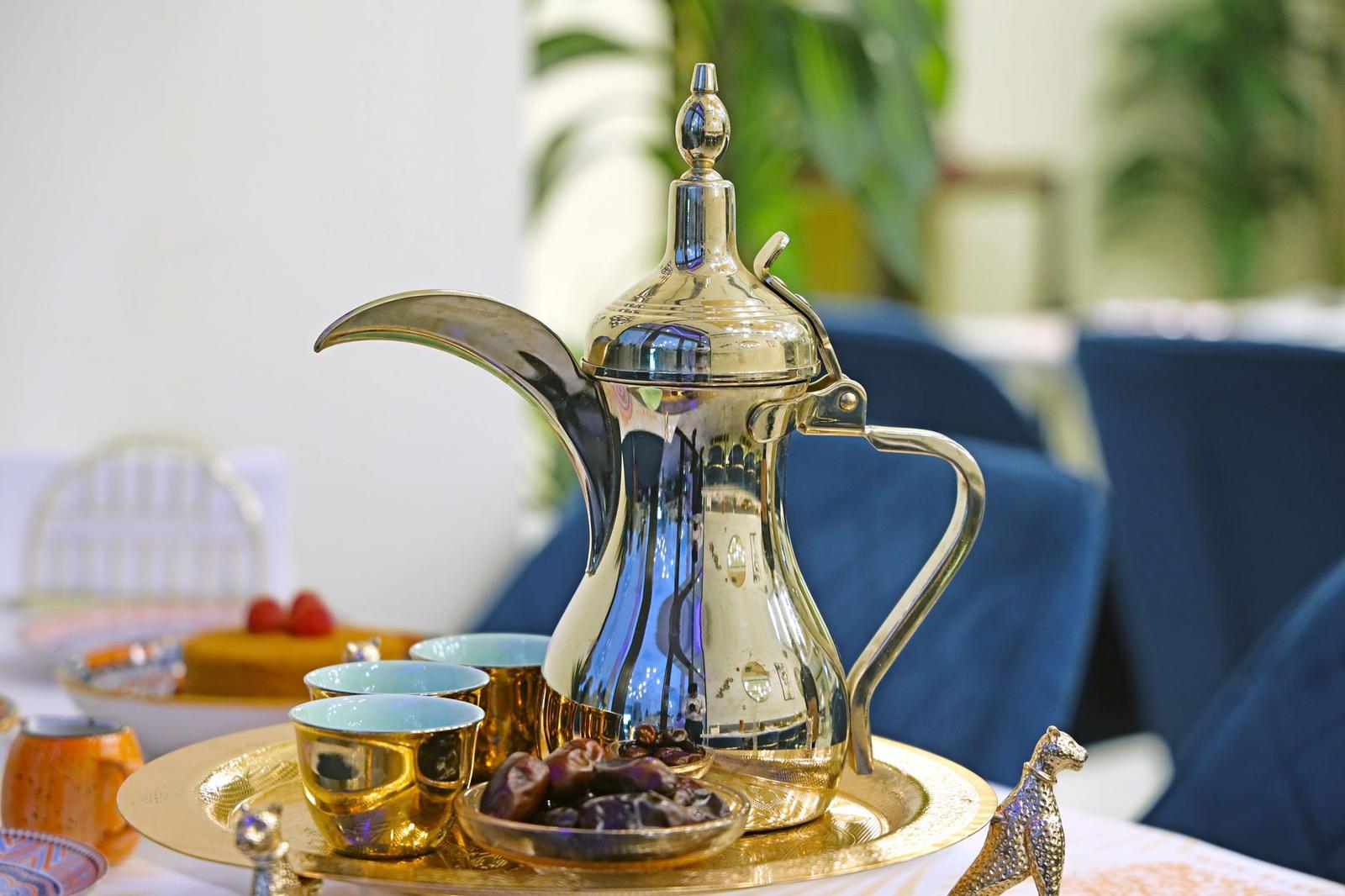
Spend any time in Riyadh and you will meet the dallah, the long-spouted pot used to serve Arabic coffee, known locally as qahwa. Poured into a small handleless cup called a finjan, this light, often cardamom-scented coffee is the first gesture of welcome in homes, offices and gatherings across the capital.
The custom carries real weight. Arabic coffee and the hospitality around it are inscribed on the UNESCO list of intangible cultural heritage, recognised as a symbol of generosity that runs through social life on the Arabian Peninsula. Traditionally the coffee is served by the host or the youngest member of the family, poured with the right hand, and the cup is refilled until the guest gently shakes it to signal they have had enough.
The flavour surprises visitors expecting a dark espresso. Saudi qahwa is usually pale gold, lightly roasted and spiced, most often with cardamom and sometimes saffron, cloves or ginger. It is served without sugar and traditionally accompanied by dates, whose sweetness balances the coffee's mild bitterness.
In Riyadh the ritual sits comfortably alongside a booming modern cafe scene. Speciality coffee shops serving pour-overs and flat whites have multiplied across districts such as Olaya and the diplomatic quarter, and many pair international brewing with locally grown beans from the south-western highlands. It is common to find both the traditional dallah and a modern espresso machine under one roof.
For visitors, accepting a cup of qahwa when offered is a simple way to take part in local custom, and seeking out a cafe that serves it in the traditional style is one of the most authentic and inexpensive experiences the city offers.