Politics
National Policy Shifts Put Riyadh Households Under Cost Pressure
Riyadh families are feeling the impact of national subsidy reforms and fiscal policies at the supermarket, the petrol station, and at home.
How we reported this
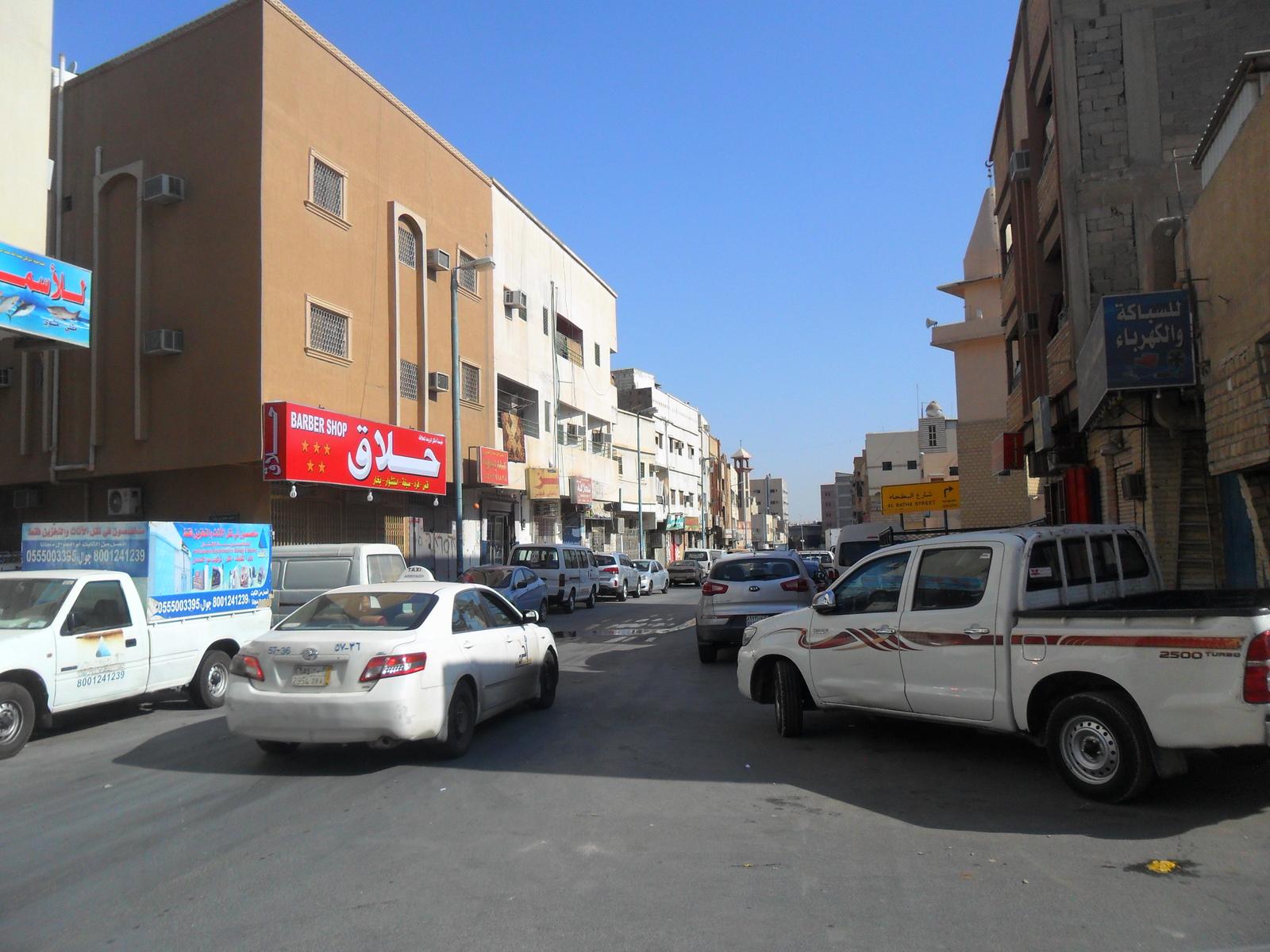
Recent changes to several national subsidy programs, coupled with tighter fiscal policies, are translating into higher costs for thousands of Riyadh residents. The reforms, which the government says are part of long-term economic diversification plans, affect core household budgets by altering the price of fuel, utilities, and some essential food items.
Why the Cost-of-Living Issue Matters Now
The removal or reduction of government subsidies has been a cornerstone of Saudi Arabia’s economic roadmaps in recent years. Policymakers argue that these measures are necessary to make the national economy more sustainable. But for families in Riyadh, where daily expenses already take up a significant share of income, the impact of rising prices is immediate and visible. Households on fixed incomes, especially those in inner-city neighborhoods and the city’s expanding outskirts, have less flexibility to absorb sudden increases in basic costs.
How Local Residents are Feeling the Effects
Many Riyadh residents now pay more to fill their cars, keep the air conditioning running during the hot summer months, and purchase basic groceries. Local analysts point out that even a modest hike in fuel or electricity bills can put extra strain on families already coping with higher rent and school fees. Public servants and workers in retail and services have noted that daily spending on transportation and essentials has gone up, while prices for some imported foods have also edged higher. Policy observers note that these changes influence household choices-including how much time families spend outside the home and which shops they frequent.
The most recent government budget highlights an increase in non-oil revenues and reiterates that the shift away from blanket subsidies is expected to continue. Although some targeted support is being offered to lower-income groups, the transition means the average Riyadh household is now more exposed to global price changes and seasonal demand spikes.
What the Data and Budget Papers Show
According to the most recent national budget documents, the government has set aside funding for direct support programs that are meant to cushion lower-income families from price shocks. The exact amounts and eligibility criteria for these programs are spelled out in the official legislation, which policy analysts say will shape how much relief is delivered to Riyadh neighborhoods most affected by rising living costs. The Ministry of Finance’s public data indicates a focus on maintaining food and energy security, with targeted fiscal transfers in place of broad subsidies.
Economists note that Riyadh’s large and varied population puts unique demands on such support measures. The impact is particularly noticeable during peak utility periods and major religious holidays, when consumption and prices can both rise sharply. Advocacy groups say that access to up-to-date information about support eligibility remains uneven across the city, affecting how quickly residents can make use of relief measures.
What's Next for Riyadh Households
The government has outlined plans for regular reviews of both subsidy levels and direct financial support. Future policy statements, budget updates and any further reforms are expected to clarify the timeline of these adjustments. Local committees and service centers in Riyadh have begun holding information sessions about household budgeting and support program applications to help families adapt. Meanwhile, community organizations continue to monitor how price changes and policy reforms are playing out on the ground, especially in areas with significant numbers of low- or middle-income residents. The coming months will likely bring more clarity on whether targeted support is reaching those who need it most.