news
Riyadh's Development Boom Raises Bills, Closes Roads for Residents
From Al-Olaya road closures to utility bill spikes, the city's latest round of development and climate pressure is landing directly in residents' pockets and daily routines.
How we reported this
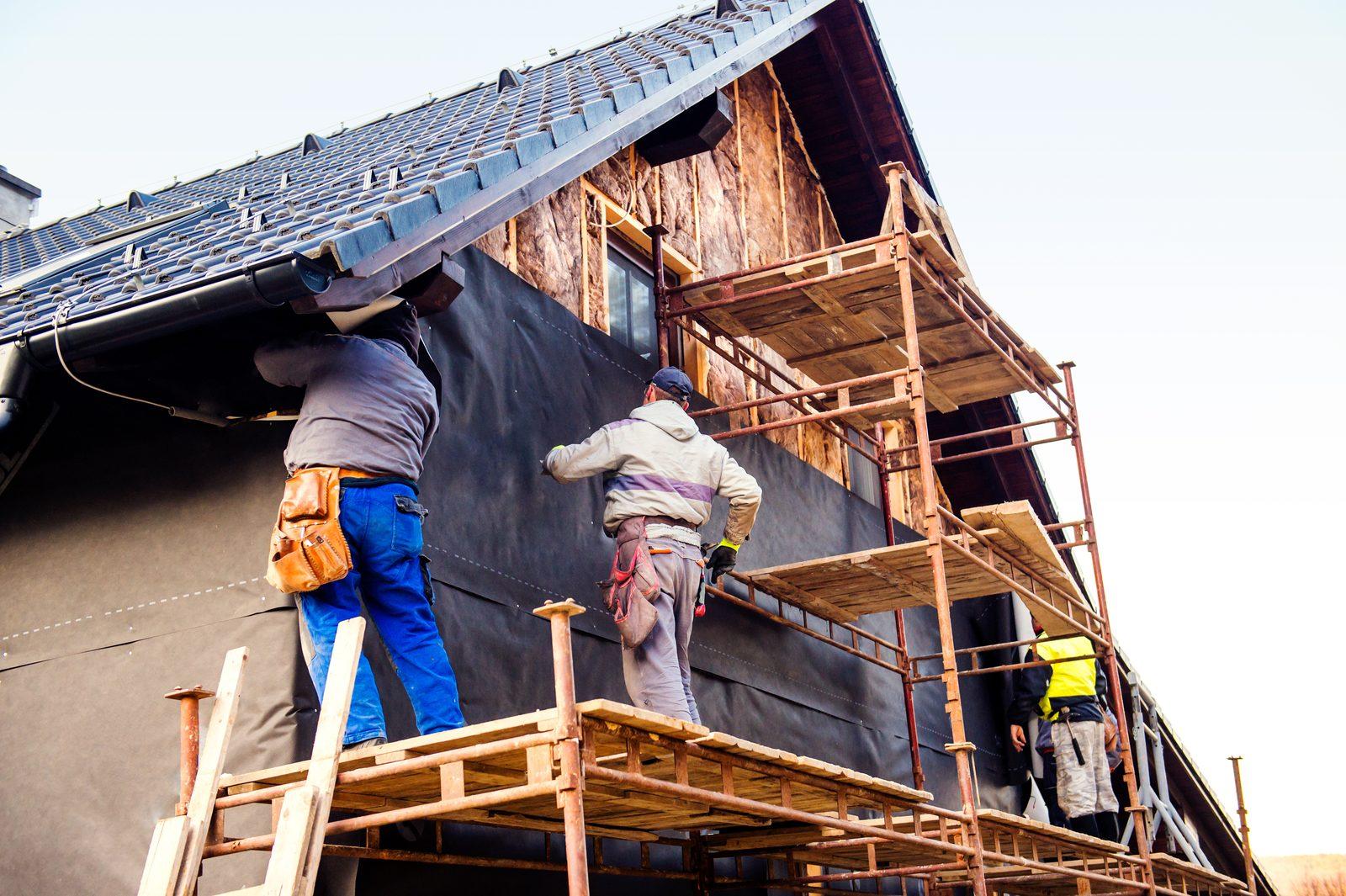
Temperatures in Riyadh hit 47 degrees Celsius on Wednesday, the hottest reading recorded at King Khalid International Airport's weather station since June 2021, and the timing could not be more complicated for a city mid-surgery on three of its busiest corridors simultaneously. The combination of record heat, active mega-project construction and a fresh round of Saudi Electricity Company tariff adjustments effective July 1 has created a week that residents across Malaz, Al-Rawabi and the Northern Ring Road zone are feeling in concrete, measurable ways.
Why now? The heat spike arrives as Europe buries 2,025 excess deaths attributed to its own summer peak, a figure that has circulated widely on Arabic social media this week and sharpened attention here on what extreme heat actually costs a city in human terms. Riyadh's infrastructure is better engineered for desert conditions than Paris or Rome, but the convergence of construction-forced detours, peak cooling demand and adjusted electricity pricing has compressed multiple pressures into a single difficult fortnight for working families.
Roads, Metro Extensions and the Neighbourhoods Absorbing the Disruption
The Riyadh Metro's ongoing extension work along King Abdullah Road between Al-Olaya district and the Diplomatic Quarter has narrowed a key arterial to two lanes in each direction since late June. Commuters from Al-Sulaimaniyah heading south toward King Fahd Road are reporting journey times 25 to 35 minutes longer than normal during the 7 a.m. to 9 a.m. window. The Royal Commission for Riyadh City confirmed this week that the affected section will remain restricted until at least September 15, when underground cable and drainage work is scheduled to complete.
Meanwhile, the Diriyah Gate Development Authority has accelerated earthworks on the western approach roads feeding the Al-Bujairi Heritage Park expansion. Residents in the Diriyah municipality neighbourhoods closest to Wadi Hanifah have been receiving printed notices about dust mitigation schedules, contractor teams are required to run water-spraying vehicles between 6 a.m. and 8 a.m. daily, but local community groups on WhatsApp have documented visible dust clouds persisting into mid-morning on at least four days this week.
Electricity Bills and the Practical Maths of a 47-Degree Summer
The Saudi Electricity Company's revised residential tariff structure, which took effect July 1, keeps the first 6,000 kilowatt-hours per month at the subsidised rate of 0.18 Saudi riyals per kWh but applies a rate of 0.30 riyals to consumption above that threshold. For a mid-size villa in Al-Nakheel or Al-Wurud running multiple central air-conditioning units through July and August, crossing that 6,000 kWh ceiling is not hypothetical, it is essentially guaranteed during a week when outdoor temperatures are sustaining above 45 degrees past 6 p.m.
Energy consultants familiar with the Riyadh residential market estimate that an average family villa will generate a July bill in the range of 900 to 1,400 riyals, up from roughly 650 to 900 riyals in the equivalent month last year, depending on insulation quality and the age of HVAC units. The National Energy Services Company, which operates retrofit subsidy programs under the Saudi Energy Efficiency Center, is accepting new residential applications through its Riyadh branch on Makkah Al-Mukarramah Road, a step that can reduce cooling costs by 15 to 20 percent over a full season but requires a home audit that currently has a four-to-six week waiting list.
Residents navigating all of this have a few practical options worth acting on before August deepens the pressure. Booking an energy audit now, even with the waiting period, places households ahead of the September rush. Drivers commuting from the northern suburbs should check the Royal Commission for Riyadh City's Riyadh Season traffic app, which is being updated with construction detour routing three times weekly. And anyone whose building management has not yet circulated the Diriyah contractor dust-schedule notices can request them directly from the Diriyah Gate Development Authority's community liaison office, which opened a dedicated phone line this month. The city is building itself into something substantially larger. This week is a reminder that the process is not abstract, it shows up in every electricity meter and every backed-up intersection.